
The Allure of Casino Games
The psychology behind successful casino games begins with understanding the allure they hold for players. Many individuals are drawn to the thrill of the gamble, which activates the brain’s reward pathways. This stimulation creates a sense of excitement and anticipation, making even mundane activities feel electrifying. The combination of uncertainty and potential reward feeds into this psychological phenomenon, encouraging individuals to participate time and again. Additionally, exploring betting sites that accept bitcoin can enhance this experience by offering innovative ways to play.

This allure is also reinforced by vivid presentations and auditory stimuli, such as flashing lights and engaging sound effects. These elements amplify emotions and create an immersive environment that keeps players engaged. As players experience wins, even minor ones, they often feel compelled to chase further successes, which can lead to extended play sessions.
The Role of Risk and Reward
The concept of risk versus reward is crucial in casino game design, enticing players to take chances. This psychological dynamic is influenced by the potential for significant wins against the backdrop of high-risk scenarios. Players are often drawn to the possibility of a big payout, which can trigger a rush of adrenaline and heighten their emotional engagement.
Furthermore, intermittent reinforcement – a principle from behavioral psychology – plays a significant role. Unlike games with predictable outcomes, casino games offer rewards at irregular intervals, which keeps players guessing and invested. This unpredictability can lead to patterns of behavior, where players continue to gamble in hopes of hitting that jackpot, regardless of previous losses.
The Social and Community Aspects
Another important psychological factor in casino gaming is the presence of social elements. Many people enjoy playing games in social settings, where sharing experiences with friends or fellow players enhances enjoyment. Being part of a community can foster a sense of belonging, making the gaming experience more rewarding.
The social aspect isn’t just limited to physical casinos. Online gaming platforms also focus on creating community connections through features like chat functions and multiplayer options. These elements encourage camaraderie and competition, effectively enhancing the overall engagement and satisfaction that players derive from their gaming experiences.
Addiction and the Gambling Experience
While the excitement of casino games can be enjoyable, it also has the potential for addiction, which has significant psychological implications. The thrill that accompanies winning can lead to a cycle of behavior that becomes difficult to break. Players might rationalize losses and continue gambling, hoping to recover lost funds, which can inadvertently lead to financial and emotional distress.
Understanding this aspect of gaming psychology is crucial for both players and operators. Responsible gaming initiatives aim to provide resources and support to combat these risks, helping individuals engage with casino games in a mindful manner. Recognizing the signs of problematic gambling can encourage players to seek help and promote healthier gaming behaviors.
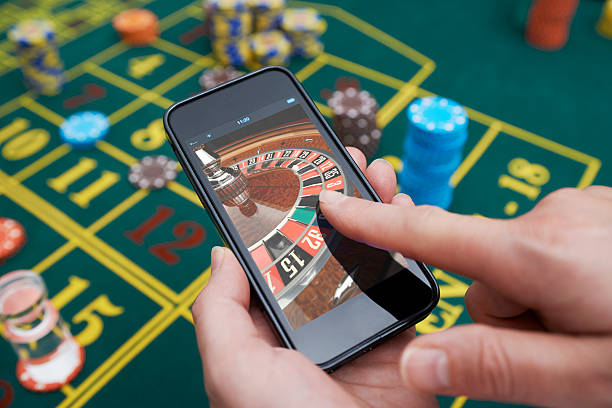
Enhancing Online Casino Experiences with Speedetab
Platforms like Speedetab.com prioritize user experience and security, creating an optimal environment for online gaming. By employing advanced security measures, they ensure that players can focus on the excitement and enjoyment of their casino games without worrying about potential online threats. This commitment to a secure experience is vital in today’s digital age.
Moreover, Speedetab’s dedication to performance can significantly enhance the gameplay experience. Smooth functionality and an intuitive interface create a seamless environment for players. As more individuals engage with online casinos, understanding the underlying psychology of these games will help platforms like Speedetab deliver tailored experiences that align with players’ desires and motivations.
