
The Thrill of Uncertainty
At the core of casino gaming lies the allure of uncertainty, a psychological phenomenon that attracts countless individuals. The unpredictability of outcomes provides a rush of adrenaline that many find exhilarating. Additionally, for those looking to enjoy such excitement safely, exploring options like the best uk non GamStop casinos can be beneficial. This thrill can stem from the anticipation of winning, which triggers the brain’s reward system, releasing dopamine and creating feelings of pleasure and excitement.
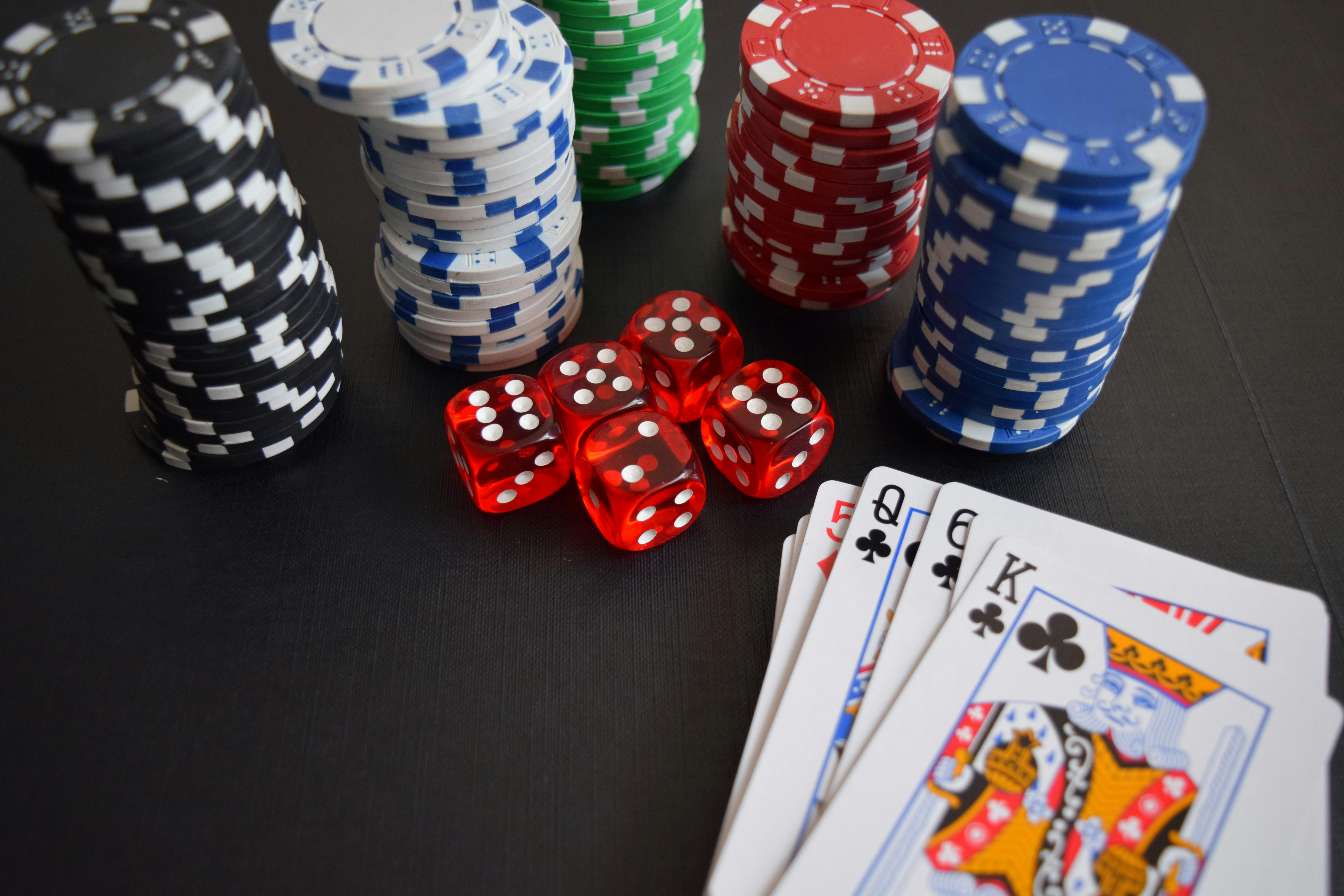
Research indicates that this rush is often likened to the experiences of risk-takers in different fields, such as extreme sports or entrepreneurship. The possibility of gaining something significant with a relatively small investment fosters a sense of hope, making gambling an enticing activity that appeals to our inherent desire for risk and reward.
The Social Aspect of Gambling
Gambling is not just a solitary endeavor; it often occurs within social environments, enhancing its appeal. Casinos are designed to be social spaces where individuals can engage with others, share experiences, and even form connections. This social interaction can serve as a form of escapism from daily life, providing a setting where people can bond over shared experiences.
Moreover, being in a lively environment can amplify emotions, reinforcing the thrill of gambling. Players often feed off each other’s excitement, creating an atmosphere that can be hard to resist. This sense of community can play a significant role in why individuals choose to gamble, as they seek both the enjoyment of the game and the camaraderie that comes with it.
The Psychological Benefits of Gambling
Interestingly, gambling can also offer psychological benefits, including stress relief and a temporary escape from reality. For many, the casino becomes a sanctuary where the pressures of everyday life momentarily fade away. Engaging in gaming can allow individuals to immerse themselves in a different world, providing a break from their routines.
Additionally, the act of playing games and making strategic decisions can stimulate cognitive functions. Players often must evaluate risks and rewards, enhancing critical thinking and decision-making skills. This mental engagement can be fulfilling and enjoyable, contributing to the overall attraction of casino gaming.
Addictiveness and Compulsive Behaviors
One of the darker sides of casino gaming is the potential for addiction. The combination of risk, reward, and social interaction can lead some individuals to develop compulsive gambling behaviors. This addiction is often fueled by the brain’s reward circuitry, where wins—no matter how small—reinforce the gambling behavior.
Different psychological triggers, such as stress or depression, can further exacerbate this risk. Many individuals turn to gambling as a coping mechanism, leading to a cycle that is difficult to break. Understanding the psychological factors at play is crucial for addressing these behaviors and seeking support when necessary.

Resources for Understanding Gambling Addiction
For those seeking to understand more about the psychology behind gambling or facing challenges related to gambling behavior, various resources are available. Organizations dedicated to supporting individuals struggling with gambling addiction offer guidance, understanding, and help. These resources can provide valuable insights into the complexities of gambling and the mindset behind it.
By raising awareness about the psychological aspects of casino gaming, including both its benefits and challenges, individuals can make informed decisions about their gaming habits. Seeking assistance and education can help create a healthier relationship with gambling, ensuring it remains an enjoyable activity rather than a compulsive behavior.
